
Learn About the New Vaccination Recommendations for Your Children
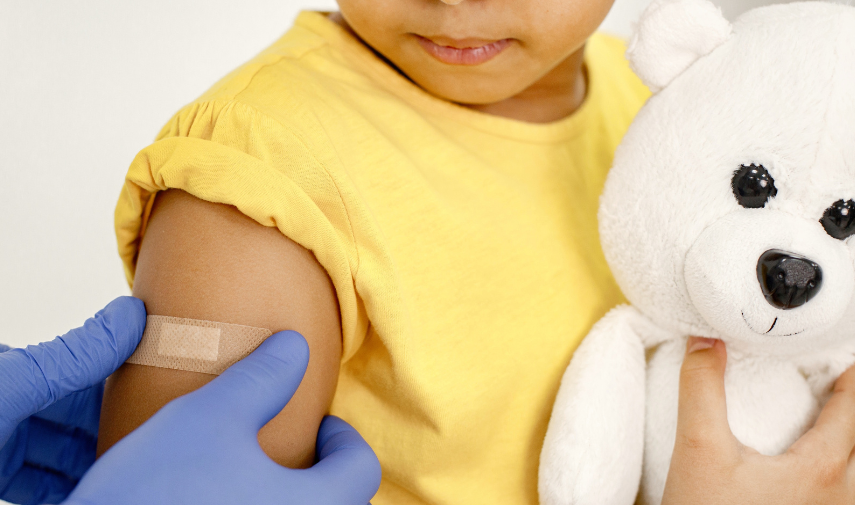
Amid the back-to-school season and the start of the new school year, depending on each state, President Donald Trump signed an executive order that changes the way the federal government recommends vaccines for children, an announcement that has sparked controversy.
The issue matters greatly to families because vaccines help protect against diseases that can be serious, such as measles, whooping cough, and polio. The new guidelines divide vaccines into three groups.
The government recommends vaccines for all children against 11 diseases, including measles, mumps, rubella, polio, chickenpox, and whooping cough.
Other vaccines, such as those for hepatitis A and B and meningitis, are recommended for certain children who are at higher risk.
Vaccines against the flu, COVID-19, rotavirus, and some other diseases would become more of a decision for parents to discuss with their child’s doctor.
The order also proposes an important change to the MMR vaccine, which protects against measles, mumps, and rubella.
Instead of administering the three together, the government wants them to eventually be available as three separate vaccines.
It also recommends, whenever possible, giving childhood vaccines during separate medical visits.
However, individual vaccines for measles, mumps, and rubella are not available in the United States, so the Department of Health has 90 days to present an action plan.
The American Academy of Pediatrics (AAP) criticized the announcement, saying that it is not based on the most rigorous science and that “there is no new evidence that justifies significant changes to vaccination recommendations.”
“Measles cases are at their highest level in 35 years in the United States, and with cold and flu season quickly approaching, the executive order... is not only discouraging, but also dangerous,” the organization warned.
Republican Senator Bill Cassidy of Louisiana, who is a physician and leads the Senate health committee, said that vaccines are safe, that they do not cause autism, and criticized the president for making medical changes without having the necessary scientific expertise.
So what should parents do amid these differing opinions?
For parents, the most important thing right now is not to change their children’s vaccination schedule on their own.
The rules may also vary by state, especially when it comes to school enrollment.
Before canceling, delaying, or separating a vaccine, talk with your child’s pediatrician and ask what they recommend based on your child’s age, health, and the diseases currently circulating in your community.