series 2
UNDERSTANDING STRUCTURES, BUILDING EQUITY
We all want communities where everyone has a fair opportunity to achieve their best health—no matter race, ethnicity, or income. That vision becomes reality when we understand the systems that create barriers for some communities while opening doors for others.

What is Structural Racism and Why It Matters for Health
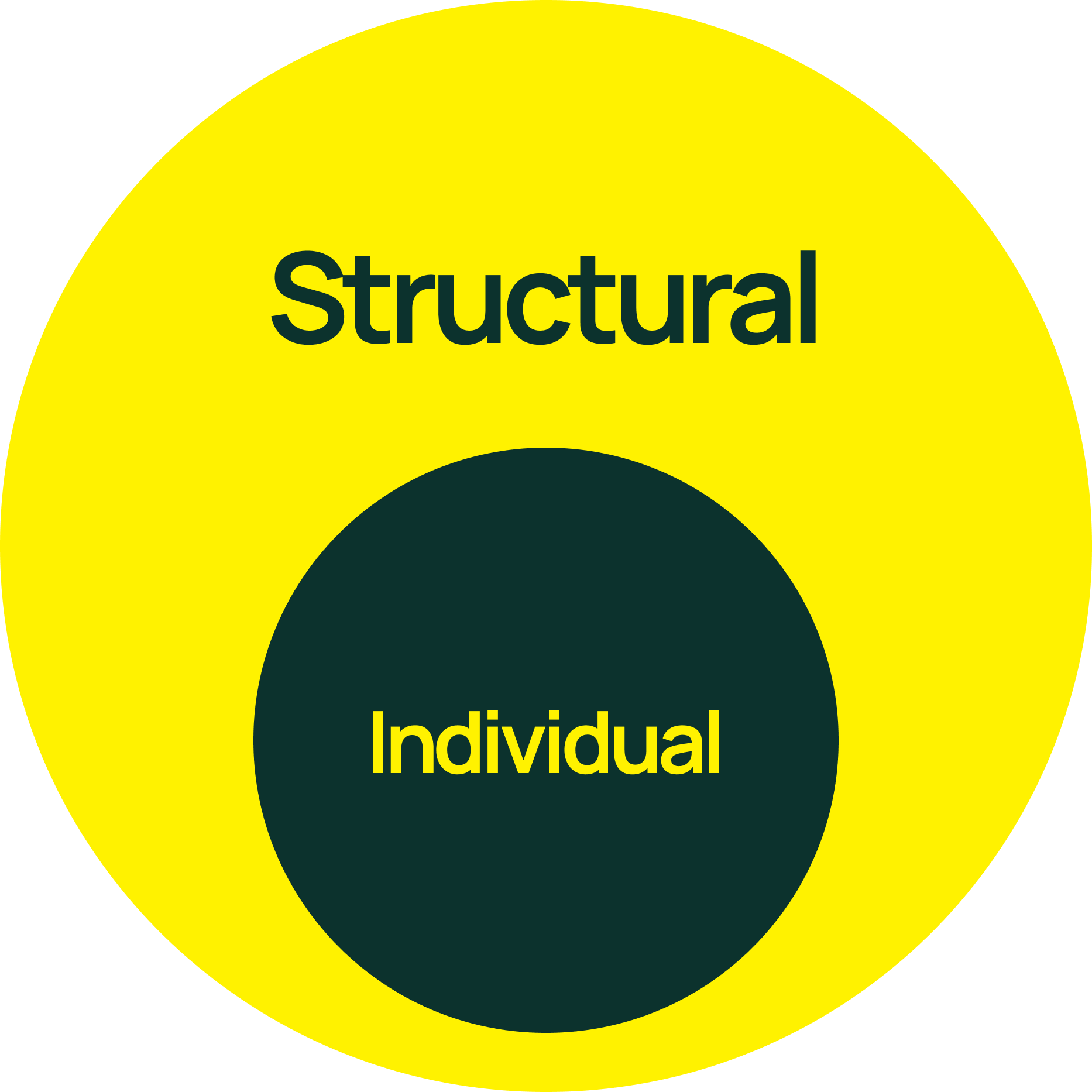
Structural racism refers to the way policies, systems, and practices built into society create and maintain racial inequities. Unlike individual prejudice, it's embedded in how society operates, which can shape where people live, what schools they attend, whether they can access nutritious food, and how they're treated in healthcare.
These structures persist through policies like exclusionary zoning, discriminatory lending, underfunded schools, and immigration enforcement that discourage healthcare access. The result: some communities consistently face barriers to wellbeing while others benefit from systems designed to support success.
Explore how structural racism operates across these areas that shape health outcomes

Preventive Care & Healthcare Navigation
Preventive care helps communities stay healthy by identifying concerns early and connecting people to needed services. Yet access to screenings, primary care, and health information is not distributed equally. Understanding how healthcare systems operate can help communities navigate barriers and improve long-term health outcomes.

Maternal & Reproductive Health
Every family deserves access to safe, respectful, and high-quality reproductive and maternal healthcare. Understanding the systems that shape care experiences is essential to improving outcomes for parents, infants, and communities.

Mental Health & Community Resilience
Mental health is influenced by the environments where people live, work, learn, and connect. Communities build resilience when they have access to supportive relationships, culturally responsive services, and opportunities to thrive.
Looking for our original Leadership for a Culture of Health content?

Food & Housing
Where you live can influence life span, future economic prosperity, and access to quality healthcare, schools, and nutritious food. The high costs of housing make this problem worse. When families spend most of their income on rent, buying groceries becomes impossible

Education & Health Literacy
Underfunded schools limit health knowledge and system navigation skills. One’s level of education is strongly associated with more positive health outcomes, such as better health behaviors, less chronic disease, and a longer life expectancy.

Immigration & Mobilization
Immigration status affects one’s ability to access resources that create a higher quality of life. Current policy barriers restrict healthcare while organizing opens pathways to equity. Communities can learn to mobilize to challenge these barriers and create system change.

What CAN YOU Do?
Learn about preventive services available in your community.
Support community organizations that provide healthcare navigation assistance.
Advocate for policies that expand access to affordable preventive care.
Preventive Care & Healthcare Navigation
Preventive care includes services such as annual checkups, screenings, vaccinations, and health counseling that help prevent illness or detect conditions early. Healthcare navigation refers to the ability to understand insurance, find providers, schedule appointments, and access available services.
Realities + Impact
Access to preventive healthcare is shaped by transportation, insurance coverage, provider availability, language access, and experiences within healthcare systems. Structural barriers often delay care and contribute to poorer health outcomes.
Communities that experience historical underinvestment and discrimination frequently face additional obstacles when seeking routine healthcare services. Improving navigation support can increase access to timely care and reduce avoidable illness.

Maternal & Reproductive Health
Maternal health includes healthcare before, during, and after pregnancy. Reproductive health encompasses services and resources that support individuals throughout their reproductive lives.
Realities + Impact
Maternal health outcomes are influenced by access to care, insurance coverage, provider availability, and experiences within healthcare systems.
Disparities in maternal outcomes reflect broader structural inequities that affect healthcare access, economic opportunity, and community resources.
What CAN YOU Do?
Learn about maternal health resources available in your community.
Support organizations advocating for equitable maternal care.
Engage in conversations that promote reproductive health awareness.

Mental Health & Community Resilience
Mental health includes emotional, psychological, and social well-being. Community resilience refers to the ability of communities to adapt, recover, and grow stronger when facing challenges and stressors.
Realities + Impact
Mental health outcomes are shaped by economic opportunity, housing stability, community safety, and social support systems. Structural inequities can increase stress and limit access to mental healthcare.
Communities experiencing persistent inequities may also face barriers related to provider shortages, stigma, affordability, and culturally responsive care.
What CAN YOU Do?
Promote conversations that reduce stigma around mental health.
Support local mental health organizations and peer support initiatives.
Advocate for equitable access to culturally responsive mental healthcare.

How These Issues Connect
These issues intersect and compound each other. An undocumented mother working two jobs struggles to afford rent in a neighborhood with decent schools. Housing costs consume income, forcing reliance on convenience store food. Her children attend underfunded schools limiting health education. When her daughter develops asthma—worsened by poor housing and stress—she delays care due to fear and lack of insurance.
This isn't one problem—it's multiple barriers colliding. Each barrier makes the next harder to overcome. Stress multiplies, not just adds. Health suffers while healthcare access becomes impossible.
Why Community Voices Matter
Comprehensive approaches addressing multiple barriers simultaneously create opportunities for communities to thrive. Community leaders witness these intersections daily—you are positioned to advocate for solutions addressing root causes, not symptoms.

What CAN YOU Do
With their complexity and in today’s political and social climate, it is normal to feel overwhelmed by these issues. The good news is that research shows meaningful change can happen when just 3.5% of a population actively and consistently participates. Even small, collective actions can shift behaviors and create positive change that benefits entire communities. Here are some of the ways you contribute:
• Map local food and housing resources—identify where critical gaps exist
• Advocate for affordable housing funding, tenant protections, and nutrition assistance
• Build coalitions connecting housing advocates, food banks, and health clinics
Remember that these systems can change, and you can be that spark in your community.
Take Action: Join Our Webinar Series
Preventive Care & Healthcare Navigation
Hosted by the Society for Health Communication (SHC), in partnership with HCN Global
Too many people know they should get a checkup, a screening, or a vaccine — yet still can't. Not because they don't want to, but because the system puts up barriers. Language barriers. Coverage gaps. Transportation deserts. Immigration-related fear. These are not personal failures — they are structural. Join us for Preventive Care & Healthcare Navigation, continuing the Leadership for a Culture of Health Webinar Series with a new topic focus.
Maternal & Reproductive Health — November 2026.
Speakers and registration details coming soon
Community Voices
Learn more from other community leaders committed to dismantling structural racism and advancing health equity.