
Are Marine Species in the Gulf of Mexico at Risk?
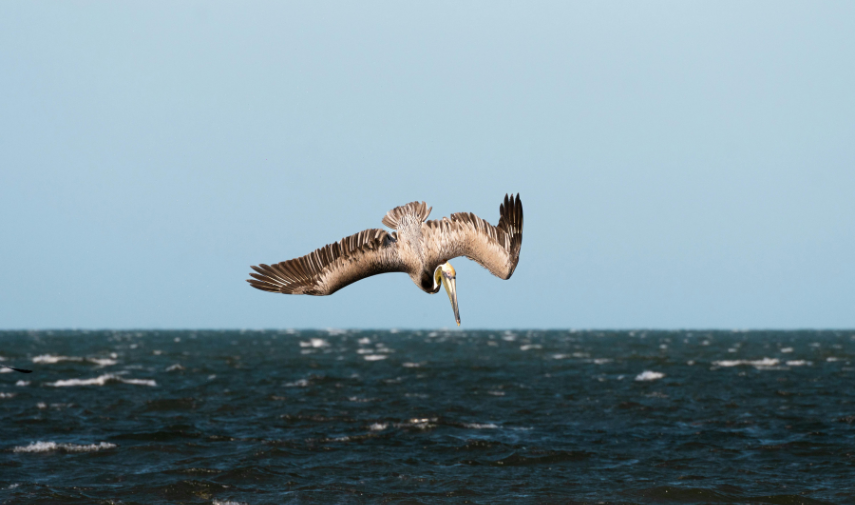
A recent decision by the Natural Resources Defense Committee in the United States has sparked intense controversy by allowing oil and gas development in the Gulf of Mexico to be exempt from complying with the Endangered Species Act.
The committee, made up of senior government officials, justified the move in the name of national security, citing ongoing global energy volatility driven by geopolitical tensions and rising oil prices.
However, environmental organizations have interpreted the decision as a step backward in protecting biodiversity.
The Gulf of Mexico is home to a wide range of marine species, many of which are already considered vulnerable or endangered.
Among the most affected are several species of sea turtles, manatees, and marine mammals such as the Rice’s whale, whose population is extremely small.
Experts warn that oil and gas extraction activities pose direct threats to these animals, especially due to increased vessel traffic and the risk of collisions, as well as potential spills and underwater noise pollution.
Environmental groups argue that this exemption opens the door to less stringent practices by the energy industry, weakening safeguards that for decades have aimed to balance economic development with environmental conservation. They point out that proven methods already exist to support both goals without putting endangered species at risk. Even so, efforts to block the decision have not succeeded, although legal action has already been announced.
The context in which this decision was made is also important. The committee, which had not convened in more than three decades, was called together in response to pressure created by instability in global energy markets.
From the government’s perspective, limiting domestic production could weaken the country’s strategic position and benefit its adversaries. This argument reinforces the idea that energy security is an immediate priority, even if it comes at the expense of certain environmental regulations.
Still, critics warn that decisions like this could have long-term consequences that are difficult to reverse.
The Gulf of Mexico has a history that includes disasters such as the Deepwater Horizon oil spill, which left a lasting impact on marine ecosystems and the regional economy. That event remains a stark reminder of the risks associated with offshore oil drilling.
Without mitigation measures, independent studies suggest that thousands of sea turtles could die in the coming decades as a result of these activities. For environmental advocates, this highlights that the new policy not only relaxes protections, but could accelerate the decline of already threatened species.
At its core, the debate reflects a long-standing tension between two key priorities: ensuring energy supply and preserving natural ecosystems. The committee’s decision leans toward the former, but raises serious questions about the environmental cost that marine life and future generations may ultimately bear.