
Cell Phones in the Classroom: Helpful Tools or Harmful to Children’s Learning?
By Dr. Luz Towns-Miranda
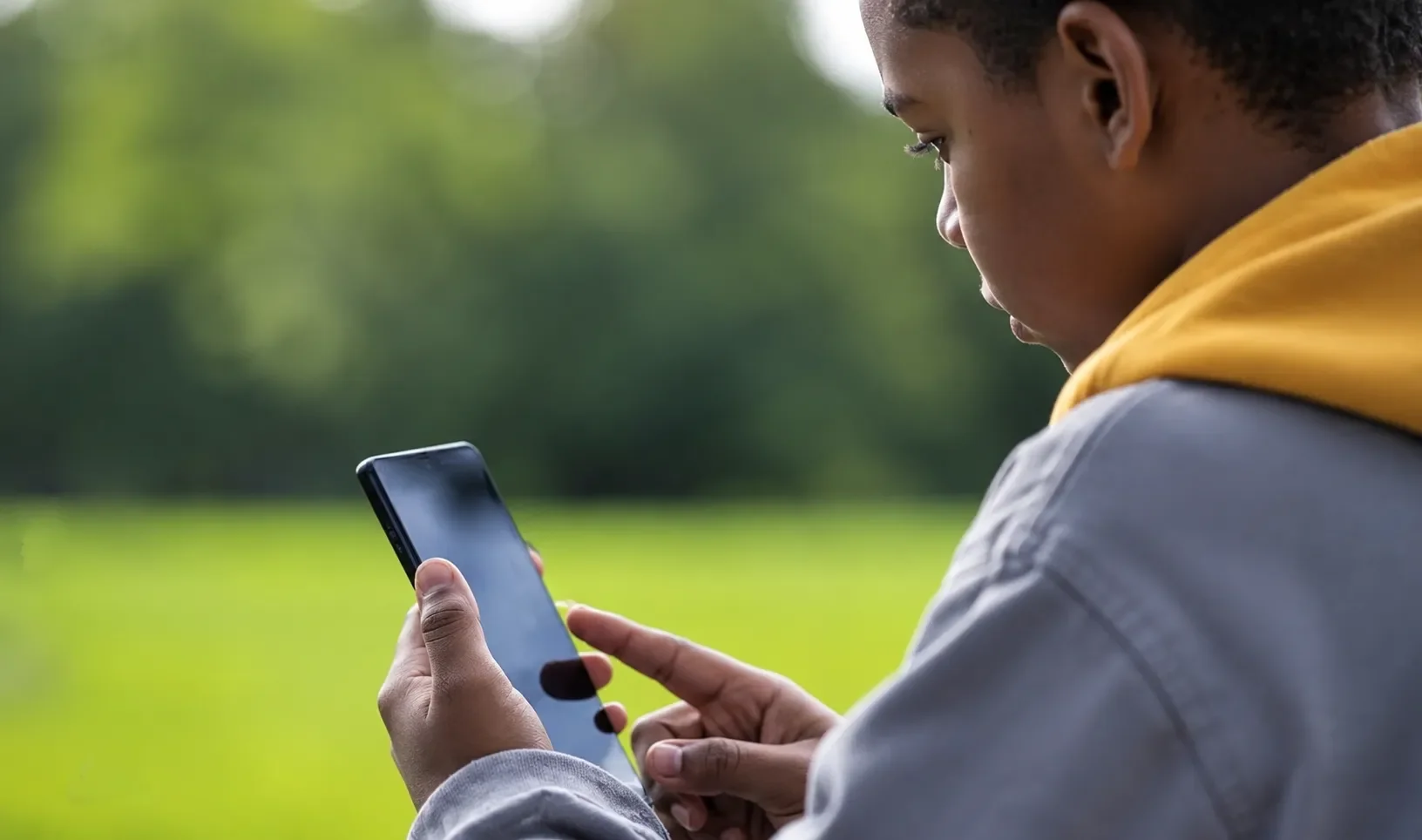
For many years, parents, educators, healthcare professionals, and behavioral scientists have questioned whether cell phone use in schools and classrooms harms child development. There is now enough evidence to conclude that it does: the use of cell phones during school and class hours can negatively affect children’s mental and emotional well-being, as well as their academic success.
Research has shown that personal cell phone use in the classroom creates distractions that can contribute to developmental issues in children, including reduced attention span and difficulty retaining information. It can also lead to stress, anxiety, depression, hyperactivity, and other emotional and behavioral disorders, while increasing exposure to cyberbullying and online predators during school hours.
Governments across the country are responding by introducing laws that restrict children’s access to personal cell phones in schools. Depending on the state or municipality, these restrictions may apply only inside classrooms or extend throughout the entire school campus.
These policies can be highly beneficial because they remove the constant pressure children feel to check what is happening on their phones when they should be focused on learning and interacting with teachers and classmates. Studies from schools that have already implemented these policies, often referred to as “Distraction-Free Schools” or “Distraction-Free Learning,” have shown significant improvements in students’ academic performance overall.
Excessive and unrestricted cell phone use by children, both inside and outside of school, can also affect neurological development and reduce tolerance for frustration. Children become accustomed to consuming information at a rapid pace through screens, sometimes in the form of instant “snippets” or flashes of content. In real life, outside of virtual environments, information is processed much more slowly. Once children adapt to a faster online pace, they may struggle to absorb information effectively in the real world.
Parents who need to communicate with their children during a school emergency can still contact the school office directly, just as families did in the past. Those concerned about their child’s location can also use tracking apps such as Life360 to confirm that their child arrived safely at school and turned in their phone, which can then be returned at the end of the school day.
This does not mean digital communication and technology should be completely banned from classrooms. Schools have already incorporated many forms of digital technology into education, from smart boards to tablets and computer labs, which can improve learning when used appropriately and under supervision.
Taking personal breaks from cell phone use can significantly support healthy brain development and impulse control, both of which are closely linked to frustration tolerance. Smartphones tend to trigger immediate responsiveness, creating long-term expectations that everything in life should move much faster than it realistically can. Over time, this may contribute to challenges later in adulthood.
The American Academy of Pediatrics recommends that children under the age of two should not be exposed to digital screens. After that, the organization provides guidelines for limited and supervised screen exposure based on the child’s age and developmental stage.
Children can develop an addiction to their phones and may even experience withdrawal symptoms. That is why it is important for parents to prepare children for limited phone access during school hours.
One way to do this is by simply telling a child, “You are at school and cannot have your phone.” Explain that taking a “brain break,” as behavioral experts often call it, does not mean giving up the device forever. It simply means putting it away during school hours, and that is perfectly okay.
Dr. Luz Towns-Miranda is a clinical psychologist practicing in New York City.